
You can now legally request revenge and deepfake porn to be taken down. Here’s how
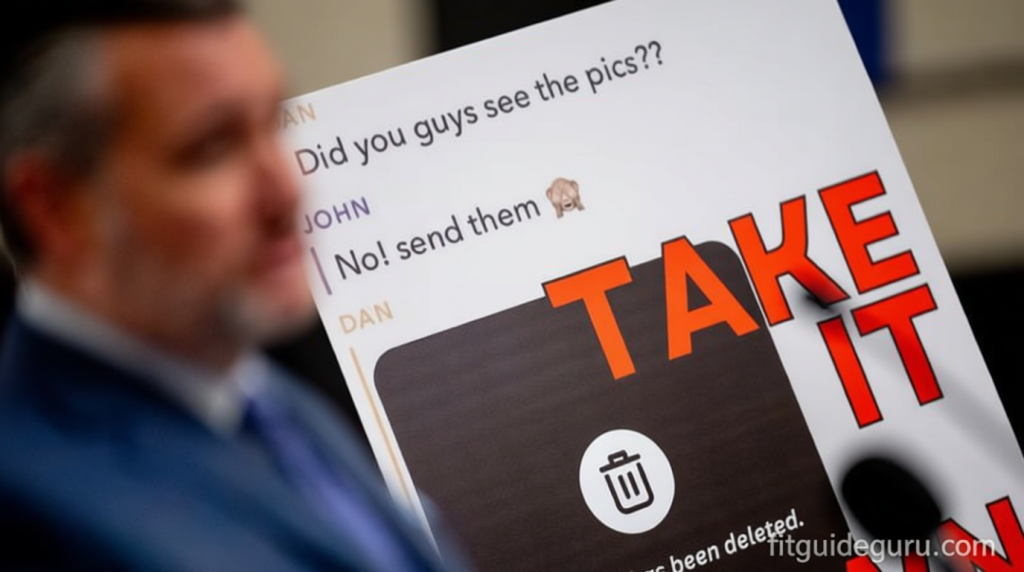
You Can Legally Request Revenge and Deepfake Porn Removal: New Federal Law Takes Effect
You can now legally request revenge – With the implementation of the Take It Down Act, users now have a legal avenue to request the removal of non-consensual intimate content, including revenge porn and deepfake imagery, within a strict 48-hour timeframe. This landmark legislation, passed in 2025 and signed by President Donald Trump, aims to streamline accountability for digital platforms that host such material. The law’s framework ensures that victims can assert their rights through a unified process, reducing the complexity of prior state-level regulations and copyright-based complaints.
Expanded Legal Protections for Victims
The Take It Down Act empowers individuals to legally request the deletion of intimate content that was shared without their consent. Whether the material is real or AI-generated, platforms must now respond to these requests promptly. The law mandates that businesses regularly curating user content establish clear procedures to identify and remove duplicates of reported images within two days, providing a robust mechanism for victims to reclaim their privacy. This is the first time such a comprehensive standard has been applied nationwide, offering consistency across all major online services.
Under the act, users can now legally request the removal of content that has been used to harass or embarrass them. This includes deepfake videos and photos that mimic real-life interactions without permission. The Federal Trade Commission (FTC) has been tasked with enforcing the law, ensuring platforms comply with the new requirements. By setting a legal deadline, the legislation shifts the burden of responsibility from victims to the platforms that host the content, creating a clearer pathway for justice.
How the Process Works for Users
To initiate a removal request, users must first report the content through the designated features on each platform. The law requires platforms to simplify these reporting tools, making it easier for victims to submit their cases. For instance, Instagram users can now legally request removal via a direct report option, while TikTok provides an intuitive interface for flagging non-consensual intimacy content. The FTC has also outlined guidelines for platforms, emphasizing the need for transparency in how reports are handled and processed.
Once a report is submitted, platforms must analyze the content and take action within 48 hours. This timeline applies to both real photos and deepfake-generated material, ensuring rapid response to violations. The law’s focus on user empowerment means that anyone affected by such content can now legally request its removal without needing to navigate complex legal systems. This change is particularly impactful for victims who previously faced delays and inconsistent enforcement across different platforms.
Specialized services further support the process by helping users identify and report duplicate content. The National Center for Missing & Exploited Children, for example, provides a streamlined system for removing images of minors, while Stop Non-Consensual Intimate Imagery offers tools for adults. These resources, combined with the new federal framework, ensure that victims can now legally request removals with greater ease and confidence, regardless of the platform involved.
Platform Responsibilities and Enforcement
The Take It Down Act places clear obligations on digital platforms to address removal requests efficiently. Companies like Meta, Snapchat, and X must now implement systems capable of detecting and eliminating non-consensual content quickly. Even platforms such as Pinterest and Amazon are required to follow these guidelines, as their content-sharing features contribute to the spread of such material. The FTC will monitor compliance, penalizing businesses that fail to meet the legal deadline or neglect to act on reports.
Enforcement of the law includes penalties for platforms that do not adhere to the 48-hour rule. Civil fines of $53,800 per violation will be imposed on companies that mismanage removal requests, ensuring they prioritize user privacy. Additionally, the act allows for criminal charges against individuals who intentionally share non-consensual intimate content, with penalties up to two years of imprisonment. This dual approach—targeting both platforms and perpetrators—strengthens the overall effectiveness of the law in combating digital harassment.
As the law takes effect, users can now legally request removals with a standardized process that spans all major platforms. This shift marks a significant step toward accountability, giving victims the legal tools they need to address intimate content violations swiftly. With the FTC actively monitoring compliance and the deadline for removals now in place, the new framework ensures that platforms cannot delay action on reported cases, creating a more responsive digital environment.
