
You can reverse much of the damage alcohol has done to your body, science says
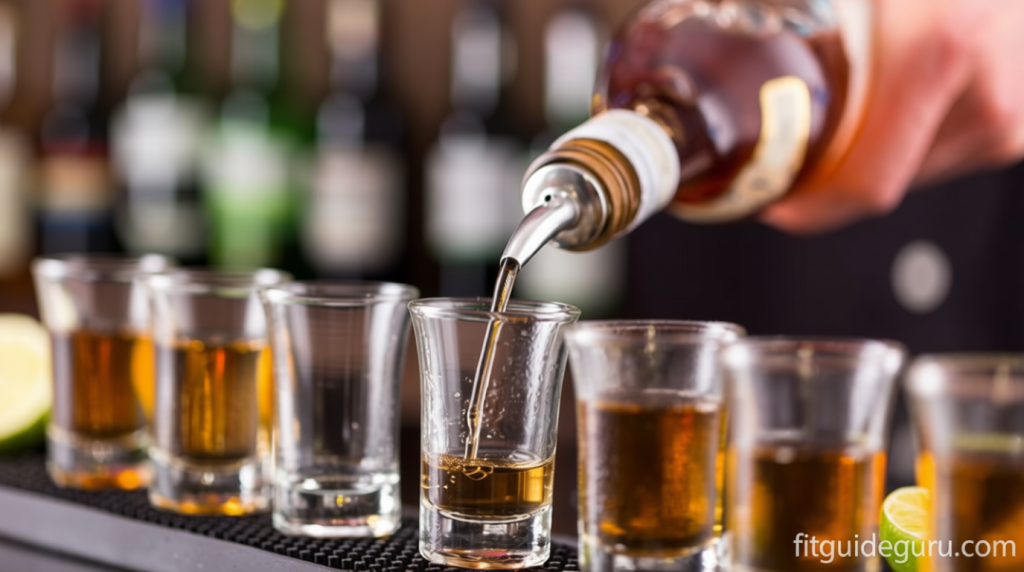
You can reverse much of the damage alcohol has done to your body, science says
The Hidden Toll of Alcohol on Health
You can reverse much of the damage – Alcohol is more than just a social lubricant or a source of pleasure—it’s a substance with profound effects on the human body. From casual sipping during conversations to hearty celebrations with drinks in hand, alcohol weaves itself into everyday routines. Yet, its presence can silently undermine health, contributing to a range of conditions that range from immediate immune suppression to long-term organ damage. While it might seem harmless, science reveals that even small amounts can disrupt bodily functions, and heavy consumption escalates the risks.
“Alcohol is inherently toxic. We use it to disinfect, to kill organisms. So the question is, is any amount of it safe?”
Dr. Andrew Freeman, a specialist in cardiovascular prevention and wellness at National Jewish Health in Denver, highlights this duality. His words underscore the paradox of a substance that can both aid and harm. According to recent findings, the answer to that question is increasingly clear: no, there may not be a safe threshold. The latest research indicates that alcohol contributes to 62 distinct disorders, including conditions like alcohol-related heart disease, psychotic disorders, gastritis, ulcers, pancreatitis, and fatty liver disease. More widely recognized illnesses such as fetal alcohol syndrome and liver cirrhosis are also linked to its consumption.
Jürgen Rehm, a senior scientist at the Institute for Mental Health Policy Research in Toronto, adds that some of these conditions are directly tied to alcohol. “These diseases would not even exist in the world without alcohol use,” he explains. Rehm’s work over the past two decades has spanned collaborations with the World Health Organization and researchers across the globe, from the United States to Europe and the United Kingdom. His findings reveal that while 62 disorders are fully attributable to alcohol, another 30 are influenced by it to varying degrees. These include breast cancer, other forms of cancer, heart disease, stroke, diabetes, and dementia.
Alcohol’s Impact on the Immune System
One of alcohol’s most immediate effects is on the immune system, a critical defense mechanism that protects the body from infections. Even a single drink can impair this system within minutes, weakening its capacity to combat viruses, bacteria, and other pathogens. The innate immune system, which is present from birth, is particularly vulnerable. So too are acquired immune responses, which develop through exposure to various diseases over time.
“Our team at the institute worked on a free app which shows how many minutes and days of life are lost with each drink,”
Rehm elaborates, noting that such tools help quantify the consequences of alcohol consumption. The app demonstrates the impact of alcohol on longevity, calculating both the life years lost and gained when drinking ceases. This provides a tangible measure of how alcohol affects health over time.
Alcohol’s effects on immunity are not limited to short-term disruptions. Chronic use can lead to lasting impairments, particularly in critical immune cells like natural killer cells and T-cells. These cells are vital in identifying and destroying harmful invaders, making their weakening a significant concern. For instance, heavy drinking can stunt or eliminate these cells, leaving the body more susceptible to infections such as pneumonia, HIV, and tuberculosis.
Interestingly, the immediate impact of alcohol on the immune system is temporary. Depending on the quantity consumed, the body can recover within days to a week. However, prolonged exposure may have cumulative effects, gradually eroding the immune response. This is especially relevant for individuals who engage in binge drinking, a pattern defined as consuming four or more drinks in a short period. Such behavior is not confined to younger adults anymore; it’s on the rise among women over 30 and adults aged 65 and above, according to recent studies.
Reversing the Damage: What Science Reveals
Despite these risks, there is hope. Science suggests that much of the harm caused by alcohol can be mitigated or even undone if action is taken early enough. The key lies in recognizing the damage and adjusting habits accordingly. For example, if someone is unaware that a single drink can compromise their ability to fight off colds, flu, or even Covid-19, it’s a common oversight.
Historically, the connection between alcohol and pneumonia was noted as early as 1785. However, it wasn’t until the 1990s that broader discussions about alcohol’s role in immune health gained traction. Today, research confirms that alcohol impairs both innate and acquired immunity, creating a vulnerability to infections and diseases. The body’s ability to neutralize viruses and bacteria is significantly reduced, even with minimal consumption.
Rehm emphasizes that the damage is reversible. “Many of the diseases attributed to alcohol can be slowed, stopped, or even reversed if action is taken soon enough,” he states. This means that individuals who reduce or eliminate their alcohol intake may see improvements in their health over time. For example, the liver, which is often the first organ to suffer from alcohol abuse, can regenerate when given a chance to heal.
Furthermore, the health impacts of alcohol are most severe for daily heavy drinkers. Yet, the definition of “heavy” can vary. Research typically classifies heavy drinking as more than 40 grams of pure alcohol per day for women and over 60 grams for men. A standard drink, in the U.S., is defined as 14 grams of pure alcohol or 1.5 ounces of distilled spirits. This means that even seemingly moderate consumption can accumulate to significant levels, especially when combined with frequent drinking.
Booze isn’t confined to hard liquor either. Red and white wine, beer, hard cider, mead, sherry, port, vermouth, and sake all contain alcohol. Each of these beverages carries its own set of health implications, but the underlying mechanism—alcohol’s toxic effects on the body—remains consistent. The key to reversing damage lies in understanding these effects and making conscious choices to reduce or eliminate alcohol consumption. By doing so, individuals can take control of their health and potentially undo the harm caused by years of drinking.
