
Butterfly numbers are dropping but here are five species you may see more of
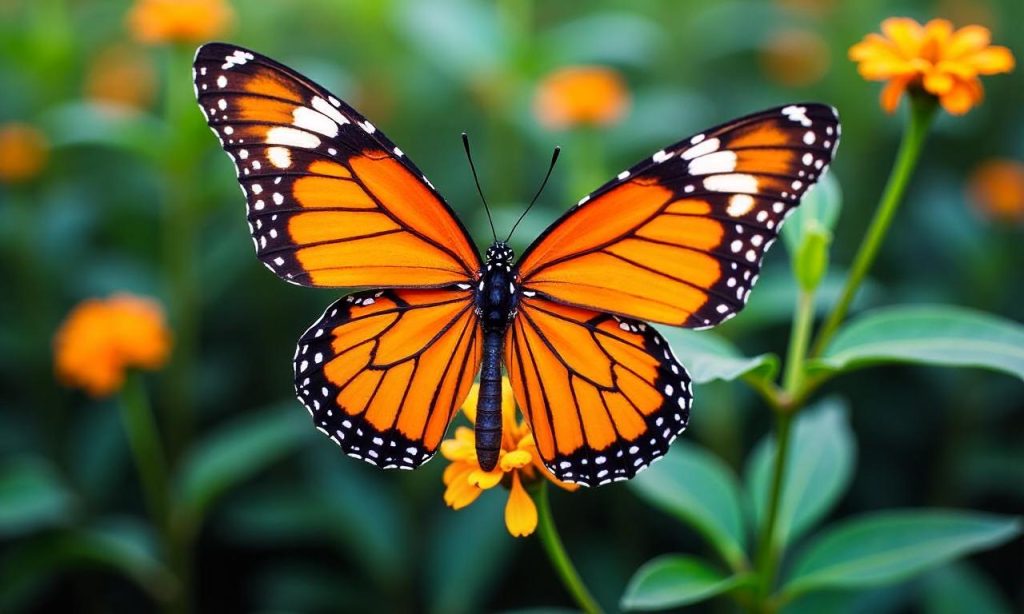
Butterfly Numbers Are Declining, Yet Five Species May Thrive
Over the past 50 years, milder and sunnier conditions linked to climate change have benefited certain British butterfly species, according to the UK Butterfly Monitoring Scheme (UKBMS). This long-term study, spanning more than half a century, has tracked the populations of 59 native butterflies, revealing a stark contrast between species that are rising and those experiencing sharp declines. The data highlights a growing disparity, with adaptable types faring better than specialists in specific habitats.
The Shift in Butterfly Populations
The UKBMS, which relies on 782,000 volunteer surveys since 1976, has amassed over 44 million records. This makes it one of the most comprehensive citizen science projects in the world. While 33 species have seen population drops, 25 have shown improvement, and one mountain species remains undetermined due to insufficient data. Some of the most notable gains include the Red admiral, which now overwinters in the UK, and the Comma butterfly, whose numbers have rebounded since the survey began.
Warmer temperatures have also boosted the Orange tip population by over 40%, and the Black hairstreak, once critically rare, is recovering due to targeted conservation initiatives. The Large Blue, which vanished in 1979, has made a remarkable comeback thanks to habitat restoration. These successes suggest that climate-driven changes are aiding certain species, but they come at the cost of others.
Specialists in Peril
Butterflies reliant on narrow ecological niches, such as woodland clearings or chalk grasslands, are struggling. As these habitats shrink from land-use shifts and environmental pressures, species like the white-letter hairstreak have declined by 80% since 1976. The pearl-bordered fritillary, with its striking orange-and-black coloration, has also dropped by 70%. Even adaptable species face challenges, as seen with the small tortoiseshell, which has fallen by 87%.
“Most British butterflies reach their northern range limit in the UK, so they have opportunities to expand further north into northern England and Scotland,” explains Prof Jane Hill, a butterfly expert at the University of York.
Prof Richard Fox, head of science at Butterfly Conservation, notes that the loss of biodiversity mirrors broader trends in human landscapes. “Just as we have lost family-run shops and traditional skills from the nation’s high streets, we’ve lost variety and diversity in the butterfly communities that can exist in our damaged and simplified landscapes,” he says.
Volunteer Efforts and Conservation Challenges
The UKBMS’s vast dataset is a product of immense public dedication. Volunteers have collectively covered over 932,000 miles across more than 7,600 sites. “Without this evidence timeline, we would be flying blind,” adds Steve Wilkinson of the Joint Nature Conservation Committee. The data’s quality and consistency are vital for assessing conservation progress and guiding future efforts.
Protecting habitats remains central to butterfly conservation, especially against threats like intensified farming and habitat degradation. However, challenges persist because some species depend on precise food sources. For instance, the Duke of Burgundy caterpillars feed only on primroses and cowslips, while the purple emperor relies on goat or grey willow. This dietary specificity makes them vulnerable to environmental changes, underscoring the need for diverse landscapes like Butterfly Conservation’s Magdalen Hill Downs reserve.
