
The $500 billion beauty industry’s ‘green’ ambitions are a patchwork at best. And they’re falling short
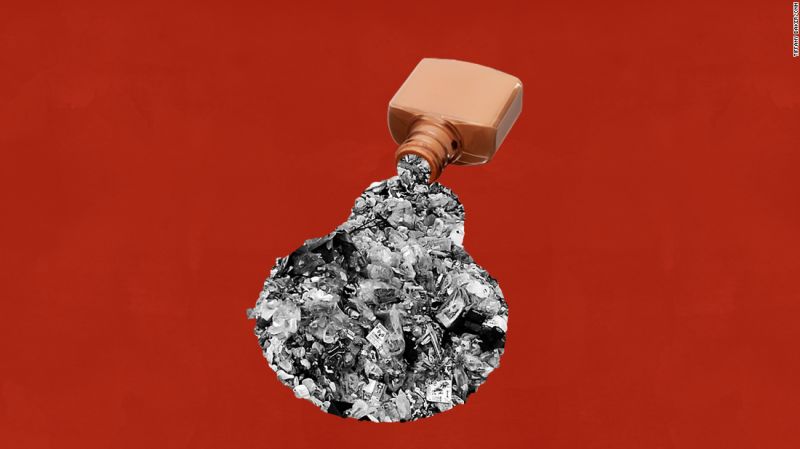
The $500 billion beauty industry’s ‘green’ ambitions are a patchwork at best. And they’re falling short
The growing climate emergency is reshaping consumer buying habits, with the global beauty sector facing mounting pressure to adopt greener practices. Despite its vast scale, the industry grapples with inconsistent sustainability efforts, spanning everything from production methods to packaging and end-of-life disposal. Related article: ‘Delay means death’: We’re running out of ways to adapt to the climate crisis, new report shows.
Consumer demand for eco-friendly options is rising
A 2021 Global Sustainability Study by strategy firm Simon Kucher revealed that 60% of consumers worldwide now prioritize sustainability when making purchases, while 35% are prepared to pay a premium for environmentally conscious products. This trend has led many brands to introduce eco-friendly initiatives, such as reducing reliance on single-use plastics and embracing recyclable or refillable packaging. Transparency in ingredient sourcing has also become a focal point, aiming to help shoppers evaluate the eco-friendliness of their choices.
Confusion persists over sustainability claims
Despite these efforts, the British Beauty Council notes that consumers remain skeptical of the industry’s progress. The lack of standardized regulations and collective strategies has resulted in uneven sustainability practices, making it difficult for buyers to discern genuine eco-claims from marketing jargon.
“The term ‘clean beauty’ has become quite dangerous. It’s used to sell more products,”
stated Millie Kendall, CEO of the British Beauty Council, adding that such terms are losing credibility in the UK as customers become more discerning.
Challenges in defining ‘natural’ and ‘clean’
Jen Lee, chief impact officer at US-based brand Beautycounter, highlights ongoing confusion about ingredient labeling. The company’s 2013 initiative, “The Never List,” cataloged over 2,800 chemicals, including heavy metals and parabens, which it avoids. Yet, Lee notes that natural ingredients can still carry toxic loads, as some elements from the earth naturally contain harmful substances.
“Natural vs. synthetic ingredients has been a conversation. People think natural is safer, but it’s not always the case,”
she explained.
Industry hurdles in achieving sustainability
Sasha Plavsic, founder of makeup brand ILIA Beauty, echoed similar concerns. She recalled that earlier in the industry’s development, sourcing raw materials consistently was a major challenge. “What was challenging is (that) raw materials were difficult to source or would come in inconsistently,” Plavsic said. While many products now use organic ingredients, manufacturing processes often require high-heat molding, which can degrade natural components, leading to less reliable results.
“Not every synthetic is bad. Sometimes, it helps create the best in class formula,”
Plavsic added.
Plastic packaging remains a key issue
The industry’s plastic packaging is a significant barrier to sustainability, according to the British Beauty Council. Over 95% of packaging ends up in landfills, with minimal recycling rates. Vantage Market Research reports that plastic constitutes 67% of the sector’s packaging volume, placing the cosmetics industry fourth in global plastic consumption behind food, industrial, and pharmaceutical sectors. For instance, L’Oréal used 144,430 metric tons of plastic in 2021, as noted by the Ellen MacArthur Foundation. Estee Lauder Companies also contributes to this challenge, though specific figures were not provided in the source.
