
Two protests, two elections: How Nepal’s Gen Z succeeded where Bangladesh’s stumbled
Two protests, two elections: How Nepal’s Gen Z succeeded where Bangladesh’s stumbled
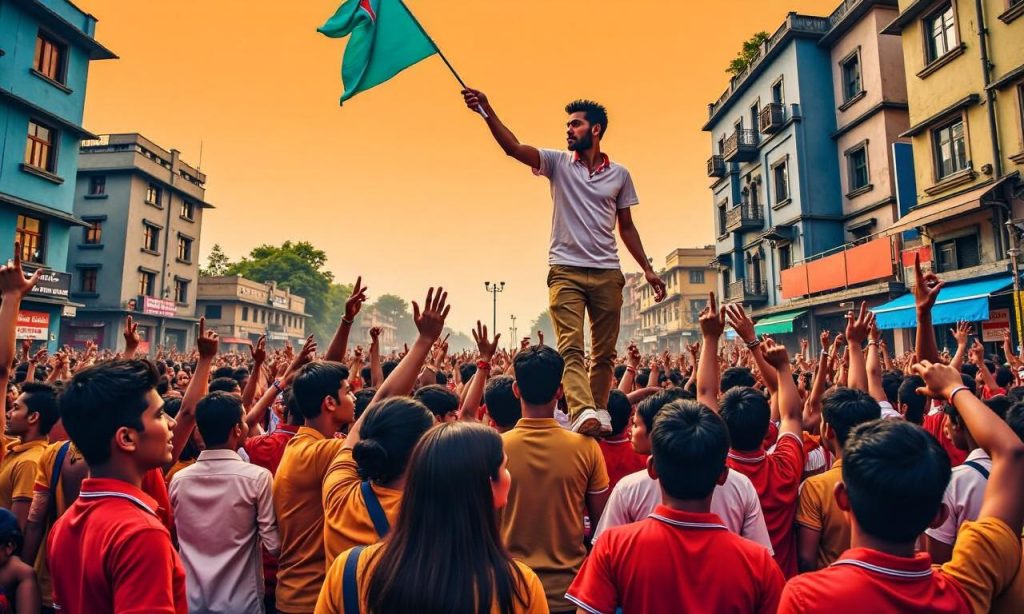
Last month, Nepal’s new prime minister Balendra Shah assumed office alongside a parliament dominated by young lawmakers. In contrast, Bangladeshi activist Umama Fatema watched from afar, feeling a sense of loss as she observed the events. Fatema was among the thousands of Gen Z protesters in Bangladesh who led a powerful movement in 2024. Their demonstrations successfully ousted the government, yet nearly two years later, the youth-led National Citizens’ Party (NCP) has struggled to translate this momentum into tangible political influence.
Nepal, just a month after its protests, held a landmark election where the four-year-old Rastriya Swatantra Party (RSP) achieved a decisive victory. This marked a significant shift, with Gen Z politicians entering parliament and Shah becoming the country’s leader. The success stands out in Asia, where many Gen Z protests have occurred but few have resulted in such a clear transition of power as Nepal’s.
Why did Nepal’s youth succeed?
Gen Z leaders in Nepal highlighted the movement’s ability to connect with ordinary citizens. “The protests captured a deep, long-standing frustration with governance,” said KP Khanal, an RSP candidate who won a seat in Kailali district. “The sacrifices and voices of young activists stayed with the public—they haven’t been forgotten.”
Analysts also pointed to Nepal’s political landscape. The country’s electoral system favors coalition governments, preventing any single party from holding a majority for years. Over 17 years, Nepal had 14 governments, with established parties and politicians frequently rotating roles. This instability allowed the Gen Z protests to target the establishment directly, making the RSP—a relative newcomer—appear more appealing to voters.
Challenges for Bangladesh’s youth movement
In Bangladesh, the established Bangladesh Nationalist Party (BNP) retained power in its first post-protest elections in February. The NCP, which emerged from the student-led revolution, struggled to gain traction. “Bangladesh has not delivered the change we hoped for,” Fatema reflected. “It’s disheartening to realize we haven’t organized and rebuilt our country in the same way.”
Political analyst Amish Mulmi noted that in South Asia, party organization is vital. “A youth-led party would need to build a strong structure before achieving electoral success, especially in its debut,” he said. This was evident in the decision of some activists to form the NCP, while others like Purushottam Suprabhat Yadav remained cautious. “Winning an election is no simple task. Organizing a movement and securing electoral victory are distinct challenges,” Yadav added.
The RSP’s alliance with Shah, a charismatic but unaffiliated leader, also played a role. While this helped the party overcome past controversies, it underscored the importance of political infrastructure in sustaining power. As Nepal’s Gen Z movement gains influence, Bangladesh’s youth continue to grapple with the gap between protest and political transformation.
