
Fact check: How can a country actually withdraw from NATO?
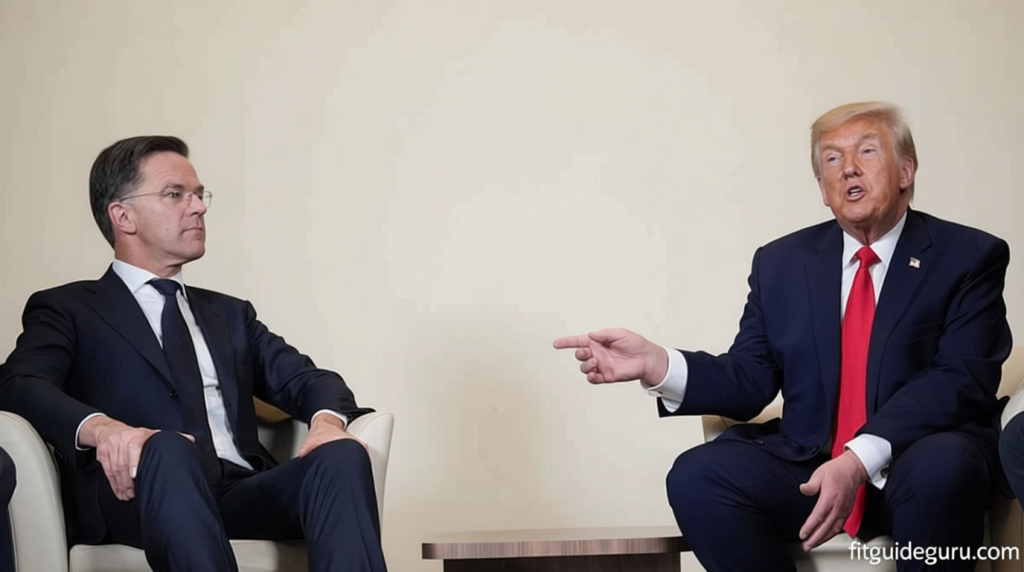
Fact Check: How Can a Country Actually Withdraw from NATO?
Trump’s Comments and the Context of NATO’s Role
Recent weeks have seen US President Donald Trump escalate his criticism of NATO, particularly amid the ongoing conflict in Iran. His remarks, including labeling the alliance a “paper tiger,” followed a lack of response from NATO members to his request for a naval force to reopen the Strait of Hormuz, which Tehran has restricted. In an interview with UK newspaper The Telegraph, Trump stated, “I would say [it’s] beyond reconsideration,” emphasizing his belief that NATO’s reliability has always been questionable, even to Russian President Vladimir Putin.
Withdrawal Process Under the North Atlantic Treaty
Article 13 of the 1949 North Atlantic Treaty outlines the procedure for a country to leave the alliance. A member must formally notify the US, which then informs all other members. After a year, the withdrawal becomes official. While this process is relatively clear for European nations and Canada, the US’s unique position as both a member and treaty custodian complicates things.
US as Treaty Custodian and Legal Hurdles
As the depositary of the treaty, the US manages the documents and handles withdrawal notifications. To exit, the US government would inform the Department of State of its intent and subsequently notify other members. Theoretically, the US could remain the custodian without being a member, but this would require a treaty amendment to transfer those responsibilities. However, domestic procedures in the US present additional challenges.
In 2023, then-President Joe Biden signed an amendment to the National Defense Authorization Act for Fiscal Year 2024, blocking a president from quitting NATO without a two-thirds Senate majority or Congressional approval. This law prohibits the use of federal funds to support a withdrawal, making it legally complex for Trump to unilaterally exit. Rafael Loss, a policy fellow at the European Council on Foreign Relations, noted to Euronews’ fact-checking team, The Cube, that “the law makes it formally very difficult for the president to take the US out of the treaty.” He suggested differing interpretations might arise if Trump pursued such a move.
Consequences of a US Exit and Strategic Concerns
Experts warn that even if the US formally withdraws, its continued involvement could undermine NATO’s credibility through reduced financial and military contributions. Ian Bremmer, founder of Eurasia Group, stated on X, “Trump can’t legally withdraw from NATO without Senate consent,” but he acknowledged the alliance’s integrity could be compromised if the US abandons its commitments under Article 5. Loss echoed this concern, suggesting a non-committal US presence might be preferable, as it would still provide clarity and advance notice to other members.
Potential Legal Battles and NATO’s Resilience
Any attempt by the US to leave NATO would likely face legal challenges, potentially reaching the Supreme Court. The government could argue the president holds the authority to exit the treaty, asserting that legislative attempts to block this are unconstitutional. Loss added that “as the US is mentioned in name by NATO treaties, any departure by Washington would trigger litigation and questions over those laws in the US.” While formal withdrawal remains difficult, the broader implications of the US disengaging from key obligations could test the alliance’s resilience.
