
Big Tech critics hail ‘Big Tobacco moment’ in landmark social media verdict
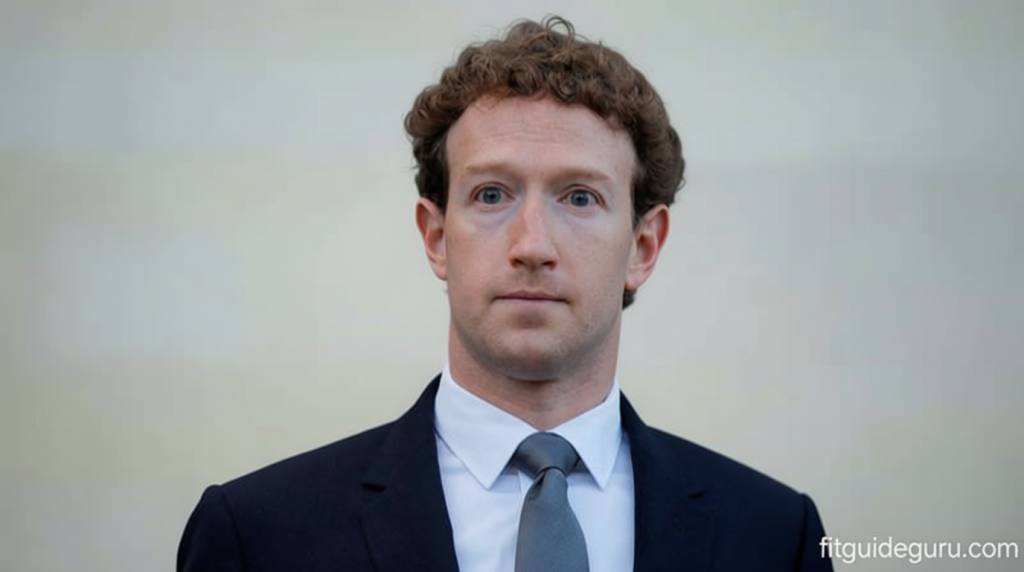
Big Tech critics celebrate ‘Big Tobacco moment’ in social media liability case
After a protracted legal battle, a Los Angeles jury delivered a historic ruling in a trial that has long been a focal point for critics of tech giants like Meta and Google. This decision, which holds the companies accountable for their role in fostering social media addiction, has been likened to a pivotal moment akin to the tobacco industry’s downfall. Parents, child safety advocates, and lawmakers expressed relief, viewing the verdict as overdue recognition of tech firms’ responsibility toward young users.
“Today’s verdict represents a significant step toward truth, justice, and accountability for the families affected by social media harms,” stated Sarah Gardner, CEO of Heat Initiative. “This is social media’s Big Tobacco moment—the damage these companies intentionally cause children has now been proven in court.”
The trial examined allegations that Meta and Google deliberately engineered their platforms with addictive features, trapping younger users and compromising their mental well-being. While both companies emphasized their investments in safety measures, they also contested the claims, arguing that teen mental health issues stem from a complex array of factors, not a single app.
Meta responded to the ruling by stating, “We respectfully disagree with the verdict and will appeal.” The company stressed that the impact of social media on youth is multifaceted, and no platform can be solely blamed. Google echoed this sentiment, with spokesperson José Castañeda noting, “This case misunderstands YouTube, which is a responsibly built streaming platform, not a social media site.”
The plaintiff, referred to as Kaley or KGM, claimed that excessive use of the platforms led to anxiety, body dysmorphia, and suicidal ideation. Her case highlighted the growing concerns about the psychological toll of digital engagement on children, prompting advocates to argue that legal action is essential to hold tech companies accountable.
A turning point for child safety advocates
Jonathan Haidt, author of “The Anxious Generation” and a leading voice in the push for phone-free education, hailed the ruling as a “new era in the fight to protect children from online harms.” He credited the families who endured the legal process, stating, “This outcome belongs first and foremost to the parents who, despite unimaginable loss, chose to demand accountability and fight for their children’s future.”
Parents for Safe Online Spaces, a group advocating for the Kids Online Safety Act, described the verdict as a “momentous win” in a years-long campaign. They argued that the decision marks the first time a jury has compelled tech companies to confront their “callous disregard” for young users’ health. The act, which has been proposed in various forms for several years, remains stalled in Congress, despite growing support from lawmakers.
Senator Marsha Blackburn, a Republican and supporter of the bill, urged Congress to act on the verdict. “Now that Big Tech has been held liable for the harms they inflicted on our children, it’s time to pass the Kids Online Safety Act and enshrine protections for families,” she said. Similarly, Senator Ed Markey, a Democrat who has promoted his own child safety legislation, emphasized the need for legislative action. “Big Tech’s Big Tobacco moment has arrived,” Markey added. “Congress must step in to impose real guardrails on these platforms.”
With thousands of similar cases expected to follow, the verdict signals a shift in the ongoing struggle to balance innovation with the well-being of young users. Advocates hope this landmark decision will catalyze broader reforms across courts, legislatures, and communities.
