
Why a delayed Xi-Trump summit could give China a stronger hand
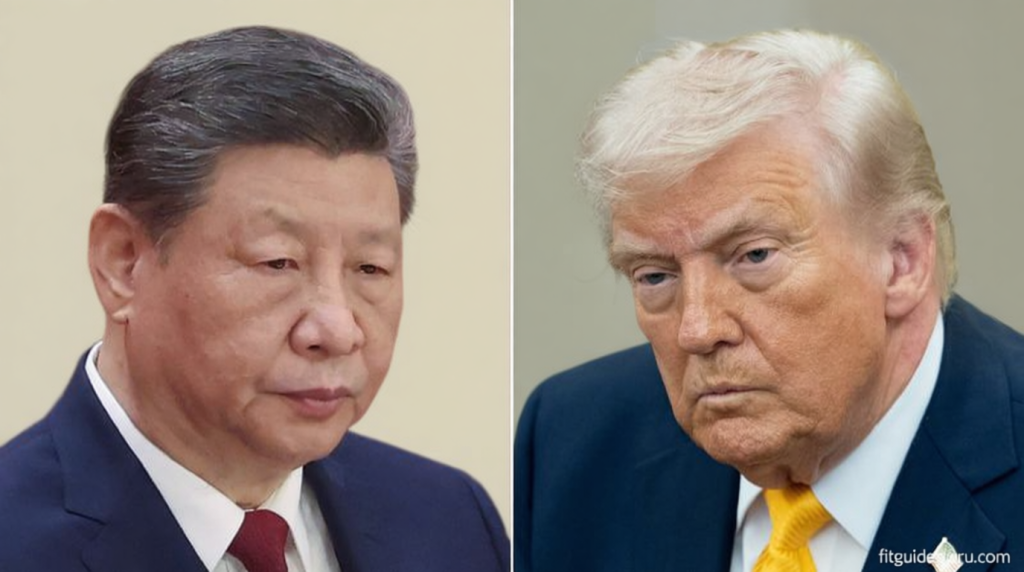
Why a Delayed Xi-Trump Summit Could Give China a Stronger Hand
Donald Trump’s decision to postpone a high-stakes meeting with Chinese President Xi Jinping may inadvertently benefit Beijing, according to analysts. The delay, proposed by the U.S. leader, could allow both nations to avoid immediate complications tied to the ongoing conflict with Iran, a key regional ally for China. If the war continues to disrupt oil supplies and global economic stability, it could further weaken Trump’s negotiating position, creating opportunities for China to assert greater influence in diplomatic discussions.
Beijing has not officially announced the planned meeting, which was initially set for March 31 to April 2. While Trump stated that China is “fine with” the proposed 5-to-6 week postponement, Chinese officials have remained noncommittal. A spokesperson from the Foreign Ministry, Lin Jian, emphasized the summit’s role in shaping U.S.-China ties, calling it “irreplaceable.” However, behind the scenes, caution persists. Two unnamed Chinese sources noted that the summit may not proceed as originally intended, depending on whether either side decides to withdraw from talks.
“If the war in Iran causes significant harm to Chinese citizens or assets, Trump might not be able to proceed,” one source explained, highlighting Beijing’s strategic concern.
The meeting was intended as a pivotal moment to redefine the relationship between the world’s two largest economies and militaries. During a press conference shortly after the Iran conflict began, Chinese Foreign Minister Wang Yi described 2026 as a “critical year” for U.S.-China relations, suggesting the government remains committed to the summit. However, the war has complicated plans, with China closely tracking developments before the conflict escalated ahead of the original schedule.
Some in Beijing argue that Trump’s position has already weakened following the U.S. Supreme Court’s ruling that overturned his emergency tariffs in February. The unexpected attack on Iran has sparked divided reactions domestically, and repeated assurances that the conflict would end “soon” may struggle to maintain public support. “He aimed to resolve the issue quickly, but the war has dragged on, leaving him in a less advantageous position,” said Wu Xinbo, a scholar at Fudan University and advisor to China’s Foreign Ministry.
Experts suggest the delay could offer China a strategic edge. As the war prolongs, it may amplify Trump’s frustration and expose his limitations in managing international crises. This could force the U.S. leader into a weaker stance when engaging with China. “Waiting allows us to observe how Trump’s hand is shaped by the war’s duration,” Wu added. Meanwhile, the conflict has also bolstered China’s image as a stable and predictable global power, contrasting with the Gulf states and Europe’s growing concerns about U.S. unpredictability.
“Many countries now see China as a more reliable partner than the U.S. This perception, shaped by recent events, is something Beijing can leverage,” said Rana Mitter, a specialist in U.S.-Asia relations at Harvard Kennedy School.
