
Iran war: Why is the South Pars gas field so important?
Iran War: Why is the South Pars Gas Field so Important?
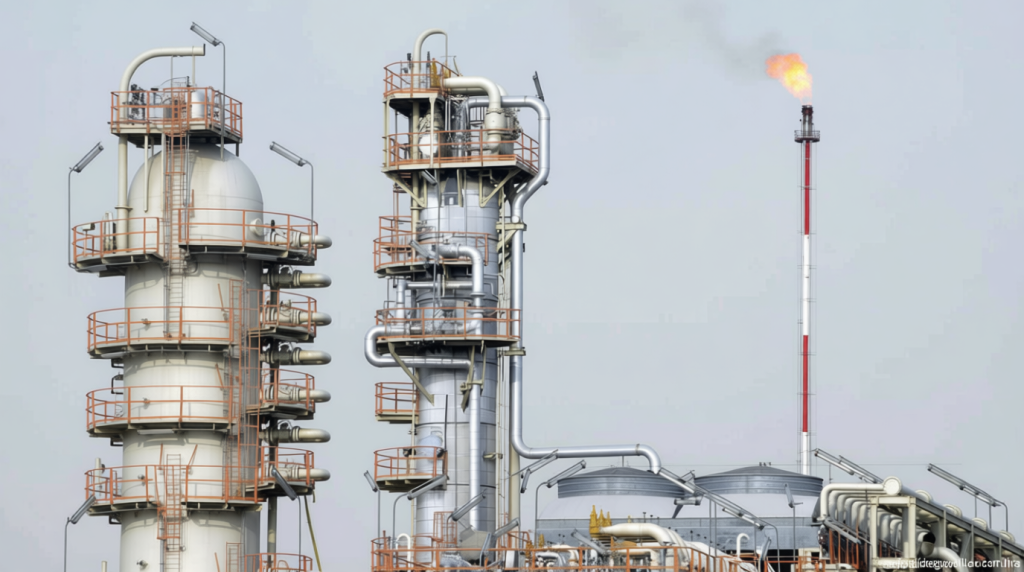
The recent assault on Iran’s vital South Pars gas field sent shockwaves through international energy markets, escalating tensions and pushing oil prices to new heights. On March 18, Israel launched an attack on the site, focusing on onshore refinery units and storage tanks in Asaluyeh, as well as offshore infrastructure linked to the field.
In response, Iran retaliated with missile and drone strikes against Saudi Arabia, the United Arab Emirates, and Qatar’s main energy hub, Ras Laffan Industrial City. This location, housing the world’s largest liquified natural gas (LNG) export facility, suffered extensive damage, according to QatarEnergy, which operates it alongside ExxonMobil, TotalEnergies, and Shell. The strike marked the first time an actual fossil fuel production site had been targeted since the war began on February 28.
“Oil markets remain unsettled as the attacks have intensified regional conflict,” noted an analyst from Deutsche Bank in a report released early Thursday.
Prior to this incident, both the U.S. and Israel had avoided striking Iranian production facilities to prevent similar counterattacks. However, President Donald Trump’s statement on Truth Social revealed a shift in strategy, as he admitted ignorance of the attack but assured that Israel would not strike again without provocation.
While the South Pars field is crucial for Iran’s domestic energy needs, its impact on Qatar is far greater. The shared reservoir, split by the Persian Gulf’s maritime boundary, forms the world’s largest natural gas field alongside Qatar’s North Dome field. Together, they hold about one-third of global reserves. For Iran, disruptions here mainly affect local supply, as it relies heavily on domestic consumption due to Western sanctions. Exports to Iraq and Turkey account for the remainder.
Qatar, by contrast, faces global repercussions. The Ras Laffan complex, responsible for roughly 20% of the world’s LNG trade, is a cornerstone of its economy. Halting operations there would not only reduce LNG supply to Asia but also disrupt helium production, a byproduct essential for semiconductor manufacturing and other industrial applications.
The broader Middle East energy sector has seen declining output, partly due to the ongoing blockade of the Strait of Hormuz. Though this has prevented oil and gas from leaving the Persian Gulf, facilities have managed to keep functioning. Now, with direct strikes on infrastructure, prolonged downtime looms, even if the war ends and the strait reopens.
Recovery efforts for damaged sites are complex and costly, potentially taking months or years. This could lead to reduced flows to the global market, exacerbating shortages. Despite this, Qatar is better positioned to absorb the costs, while Iran, under sustained sanctions, may struggle with financial constraints.
