
Russian gas tanker drifting in the Mediterranean may explode, threatening environmental disaster
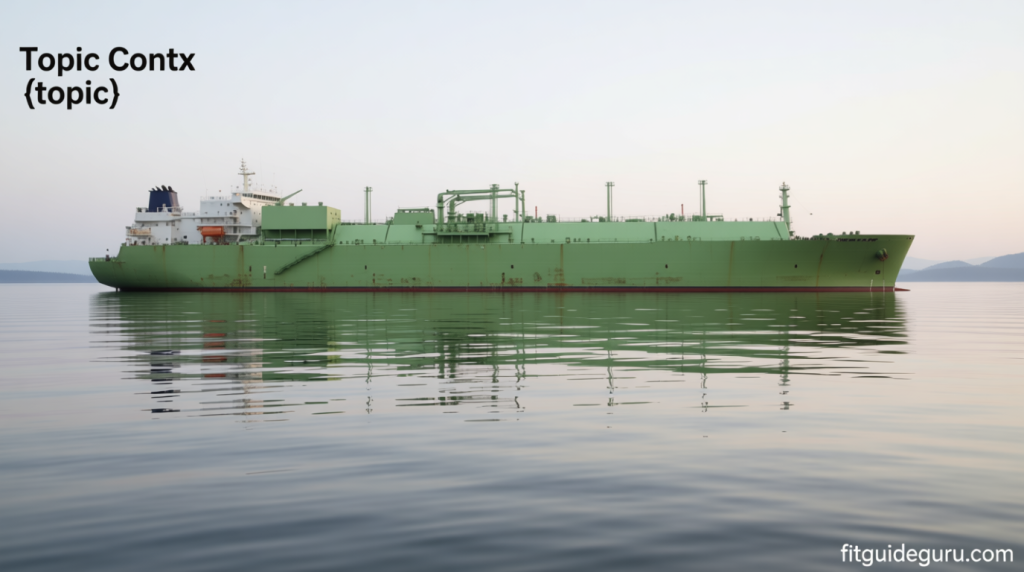
Russian Gas Tanker Drifting in Mediterranean Faces Explosion Risk
A 277-meter Russian gas tanker, the Arctic Metagaz, has been adrift in the Mediterranean Sea for over a fortnight, raising urgent concerns among regional nations and environmental advocates. The vessel, which sustained multiple blast incidents, is now in a precarious state, with its hull scorched and its trajectory unpredictable. The situation has sparked diplomatic tensions as the ship moves between Malta and the Italian islands of Lampedusa and Linosa, remaining in international waters.
The explosions, which occurred on March 3, forced 30 crew members—comprising mostly Russian and Filipino nationals—to abandon the ship. Aerial imagery captured shortly after the incident reveals a massive tear near the waterline, measuring several dozen meters in width. This damage led Libyan officials to incorrectly classify the ship as a wreck by March 4. Despite the crew’s evacuation, reports indicate ongoing internal activity: popping sounds, gas leaks, and localized fires persist aboard the vessel.
According to Russian sources, the Arctic Metagaz is still carrying 450 tonnes of fuel oil, 250 tonnes of diesel, and substantial volumes of natural gas. These remaining contents heighten the threat of a catastrophic event, potentially triggering an environmental crisis. On Sunday, AFP footage showed the ship approximately 50 nautical miles southwest of Malta, with its bow and sides visibly charred from the fire.
“This vessel is a floating time bomb, capable of causing irreversible harm to the Mediterranean’s vital ecosystems,” warned the World Wide Fund for Nature (WWF), an influential environmental group.
Environmentalists have underscored the potential for long-term ecological damage, citing the region’s rich biodiversity. Experts note that the damaged hull and ongoing processes on board create a volatile scenario, making the situation difficult to predict. Meanwhile, European governments are coordinating their response, with Italy, France, and seven other EU members submitting a unified request to the European Commission about the “immediate and serious danger” posed by the drifting ship.
The question of responsibility remains unresolved, with Russia insisting it controls the situation as the ship’s flag state. However, the Russian Foreign Ministry’s spokeswoman, Maria Zakharova, highlighted that coastal nations are under international obligation to mitigate environmental risks. Rescue teams are stationed in Malta, prepared to act if the tanker approaches territorial waters, but the precise role of each country in the response is still under debate.
