
Jürgen Habermas, one of Germany’s leading philosophers, dies
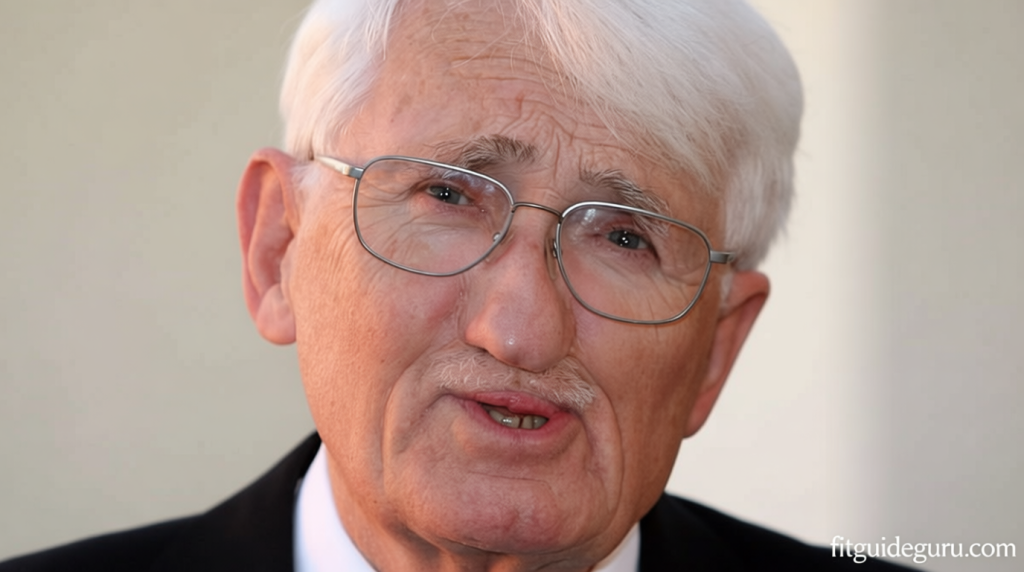
Jürgen Habermas, one of Germany’s leading philosophers, dies
Jürgen Habermas, a prominent postwar German philosopher, passed away at 96 on Saturday, as confirmed by his publisher, Suhrkamp. His contributions to communication theory, rationality, and sociology cemented his status as a pivotal figure in contemporary German thought and a key member of the Frankfurt School, a collective of thinkers including Theodor Adorno and Max Horkheimer.
Renowned for revitalizing the “Critical Theory” of Adorno and Horkheimer, Habermas expanded its scope to examine societal structures, political systems, and cultural dynamics. His work often challenged prevailing power hierarchies and ideologies, earning him global recognition as a leading intellectual voice.
Despite his early ties to the Hitler Youth, Habermas later reflected on the Nazi regime as a transformative experience. At 15, the collapse of Nazism deeply influenced his academic path, shaping his view of language and political systems. He described the era as “a politically criminal system in which you had lived,” a perspective that guided his lifelong critique of authoritarianism.
Habermas faced complex views on the German left-wing student movement of the 1960s. While he engaged with its ideals, he cautioned against radicalization and violence, labeling it “left-wing fascism.” Yet, he later acknowledged its role in advancing societal liberalization.
Born in Düsseldorf in 1929, Habermas endured a cleft palate, requiring multiple childhood surgeries. He credited this experience with deepening his understanding of language’s role in shaping thought. His wife, Ute Habermas-Wesselhoeft, had passed away the year before, leaving behind three children: Tilmann, Rebekka (who died in 2023), and Judith.
“You saw suddenly that it was a politically criminal system in which you had lived.”
