
Polish president Nawrocki vetoes law unlocking €44bn in EU defence loans
Polish president Nawrocki vetoes law unlocking €44bn in EU defence loans
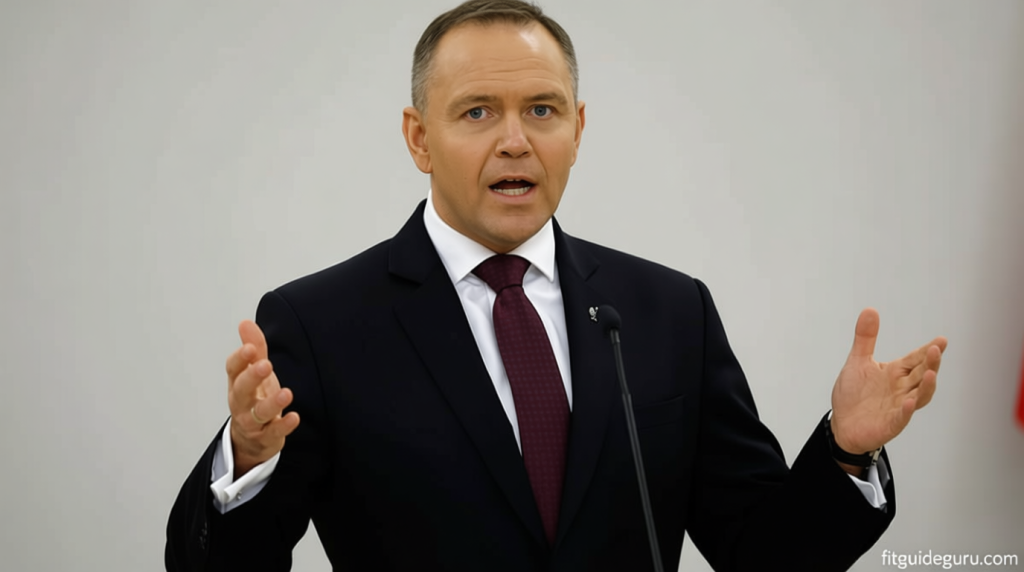
President Karol Nawrocki of Poland has rejected a proposed law that would have enabled the country to secure nearly €44 billion in European Union defence loans, intensifying a disagreement with Prime Minister Donald Tusk’s administration. The legislation aimed to tap into the EU’s Security Action for Europe (SAFE) program, a €150 billion initiative designed to enhance defence spending and fortify Europe’s military industry.
Poland was projected to receive approximately €43.7 billion in loans under the scheme, positioning it as the largest potential beneficiary. Tusk’s pro-EU coalition backed the measure, emphasizing that the funding would offer advantageous conditions to fast-track military modernization amid growing security threats since Russia’s invasion of Ukraine.
Officials highlighted the loans’ capacity to support multiple defence initiatives, such as reinforcing the country’s eastern border and advancing local weapons manufacturing. However, Nawrocki, aligned with the conservative opposition, contended that EU loans might deepen Poland’s reliance on Brussels. He advocated for using national resources, including earnings from central bank reserves, to fund military expenditures.
The decision sparked immediate backlash from government members. In a tweet, Prime Minister Donald Tusk remarked:
“The President lost his chance to act like a patriot,”
calling the veto a missed opportunity to bolster defence through EU financing. Tusk also scheduled a special cabinet session to present alternative measures for approving the loan.
Tusk had previously mentioned preparing a “plan B” to still access SAFE funds. Foreign Minister Radosław Sikorski echoed concerns on social media, warning that halting the EU mechanism could hinder Poland’s ability to strengthen its military readiness. Defence Minister Władysław Kosiniak-Kamysz, meanwhile, defended the government’s strategy, asserting that EU loans would allow expansion of military spending without burdening the national budget.
