
Who is Mojtaba Khamenei, Iran’s new supreme leader?
Who is Mojtaba Khamenei, Iran’s new supreme leader?
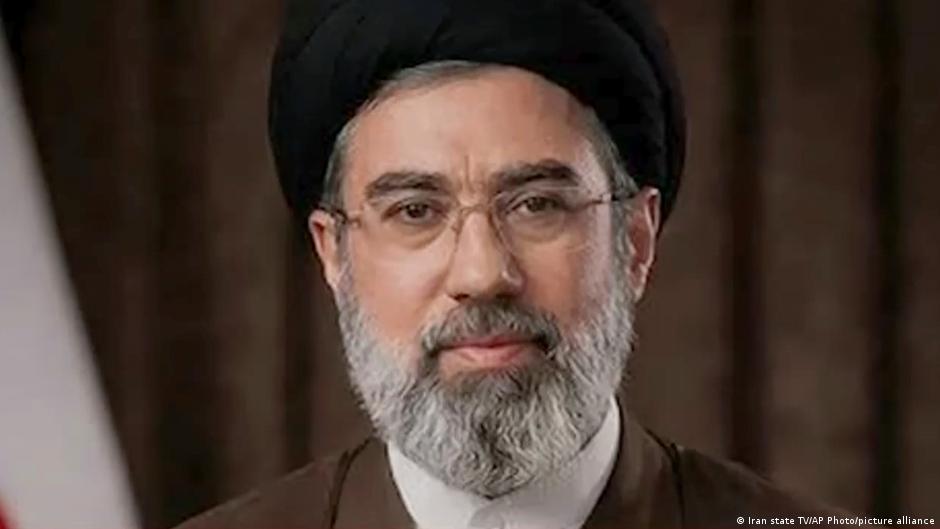
On March 8, Iran’s Assembly of Experts formally selected Mojtaba Khamenei as the nation’s new supreme leader, marking a significant shift in the country’s political leadership. The 56-year-old Shiite cleric, son of the late Ali Khamenei, who was killed in an Israeli strike on February 28, is now poised to take over the role of the Islamic Republic’s top authority. His appointment reflects the regime’s ongoing defiance against the United States and Israel, aligning with a strategy of continued confrontation.
Early Life and Family Background
Mojtaba Khamenei was born on September 8, 1969, in Mashhad, Iran. As the second son of Ali Khamenei, who served as the supreme leader until his assassination, he has been deeply embedded in Iran’s political landscape from an early age. His father’s legacy of hardline governance and ideological rigidity is expected to influence his leadership style.
During his youth, Mojtaba spent seven years in Sardasht and Mahabad, cities in Iran’s northwest, where he received foundational education. He joined the Islamic Revolutionary Guard Corps (IRGC) in 1987 after completing high school, a decision that solidified his ties to the military institution often seen as the backbone of Iran’s power structure.
Political Influence and Role in Elections
Despite maintaining a low public profile, Mojtaba has been recognized as a pivotal figure within Iran’s complex hierarchy. His close association with the IRGC has led many to believe he plays a central role in shaping the country’s policies and decisions. This influence became evident during the 2005 presidential elections, where experts claim he orchestrated the victory of Mahmoud Ahmadinejad, an IRGC-backed candidate.
Four years later, when Ahmadinejad was re-elected in 2009, widespread protests erupted. Mojtaba was accused of meddling in the electoral process, with critics alleging he suppressed the opposition’s “green movement.” His father, Ali Khamenei, was also implicated in these financial dealings, as government insiders revealed that over 60% of Iran’s economy is managed through entities under his control.
International Perspectives and Allegations
US President Donald Trump previously criticized the move, calling Mojtaba’s succession “unacceptable” and predicting his tenure would be short-lived if Washington wasn’t involved in the decision. “They are wasting their time. Khamenei’s son is a lightweight,” Trump remarked in a quote cited by US outlet Axios.
“Whoever is chosen as Ali Khamenei’s successor will be a target for elimination,” said Israel’s defense minister, highlighting the perceived threat Mojtaba poses to regional adversaries.
The Bloomberg investigation of 2026 uncovered Mojtaba’s extensive financial holdings, including high-value real estate in London and Dubai, as well as interests in shipping, banking, and hospitality sectors across Europe. These assets, however, were often structured through intermediaries and layered corporate entities to obscure their ownership.
State media portrays Mojtaba as a man of modest means, emphasizing his simple lifestyle. Yet, his role in Iran’s political machinery suggests a more substantial impact, particularly in the context of the country’s ongoing conflicts and internal power dynamics.
