
Do Americans support Trump’s Iran war?
Do Americans Support Trump’s Iran War?
The US military actions targeting Iran have contributed to increased fuel costs and higher inflation rates. This raises questions about the level of backing from Donald Trump’s core supporters, the MAGA movement. Previously, Trump positioned himself as a leader of peace, highlighting his role in resolving global conflicts and even establishing the Board of Peace. He also hinted at deserving a Nobel Prize for his diplomatic efforts.
However, the recent strikes on Iran have shifted this narrative. Trump’s aggressive approach is evident in his use of military force to remove Venezuelan leader Nicolas Maduro in January. Last year, he also initiated air campaigns in multiple countries, including Iran. This contradicts his earlier pledge to end prolonged wars and avoid new ones, a promise that echoed powerfully among his MAGA supporters.
Public Opinion and Political Fallout
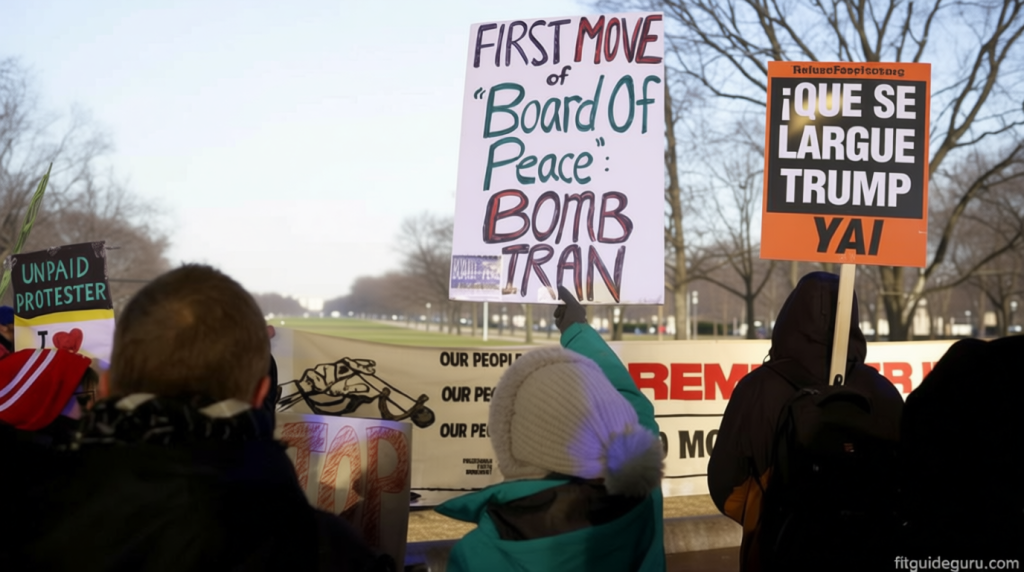
Despite Trump’s rhetoric, majority sentiment among Americans appears to be against the Iran conflict. A CNN survey revealed that 59% of respondents opposed the decision to escalate hostilities, while 41% supported it. Reuters’ findings showed a similar divide, with 43% opposing and 27% in favor, but 29% remaining uncertain. Nonetheless, Trump’s Republican allies largely endorse the war, though internal disagreements have emerged within the typically cohesive MAGA faction.
“The current situation in the Middle East is more likely to exacerbate domestic concerns and refocus American attention on a questionable and shaky US economy, including rising energy prices and inflation,” says Jonathan Katz of the Brookings Institution.
Johannes Thimm, head of the Americas research group at the German Institute for International and Security Affairs (SWP), warns that economic consequences could intensify criticism. “As soon as the economic consequences are felt in the US, criticism will increase,” he notes. The ongoing war is pushing inflation higher, which undermines Trump’s key electoral promises. Thimm also highlights the financial strain on the American budget, suggesting the conflict may demand broader congressional approval.
Thomas Warrick of the Atlantic Council argues that Trump’s unilateral decision to wage war could affect his political standing. “Because he did not seek the support of Congress and the American people in advance, he will own the outcome,” he writes. A successful campaign might offer a minor domestic boost, but a failure could jeopardize his policy agenda.
War Powers and Midterm Challenges
The Democrats introduced a War Powers Resolution to limit Trump’s ability to initiate military action without congressional approval. Though symbolic, this move reflects efforts to counter the president’s war powers. The Senate already rejected the proposal, underscoring the difficulty of halting such initiatives. The US Constitution clearly assigns war declaration authority to Congress, yet modern conflicts often bypass formal declarations, with presidents permitted limited operations for 60 days without approval.
Thimm points out that major wars, such as those under George W. Bush, historically required congressional backing. “So this is something that would definitely require approval,” he adds, noting that current operations against Iran qualify as a significant conflict. The upcoming midterm elections in November further complicate matters, with 435 House seats and a third of Senate seats up for grabs. The Republicans face a tough choice: supporting Trump’s war or risking association with a divisive issue.
