
Stopping weight loss jabs can lead to rapid weight regain in one year, study suggests
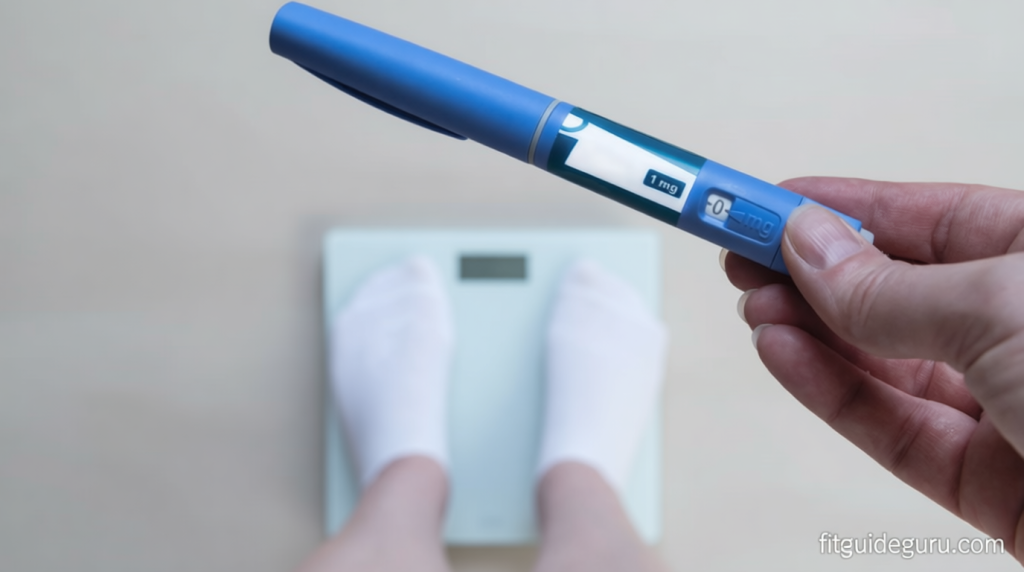
Weight Loss Injections May Lead to Significant Weight Regain Within a Year, Study Finds
New research indicates that individuals using weight loss injections for obesity may regain up to 60% of lost weight within a year of discontinuation. The study, led by researchers at the University of Cambridge, tracked participants for 52 weeks after stopping the treatment, revealing an average of 60% weight recovery.
Experts caution that if the regained weight primarily consists of fat, patients might end up with a less favorable fat-to-lean mass ratio than before starting the medication, potentially harming their overall health. This could mean they “be worse off than before” in terms of body composition.
How Weight Loss Jabs Work
These injectable medications belong to a class called GLP-1 receptor agonists, which replicate the function of the hormone GLP-1 to control blood sugar and insulin levels. Originally developed for type 2 diabetes management, drugs like semaglutide (Wegovy) and tirzepatide (Mounjaro) have been approved for obesity treatment on the NHS.
Broader Applications in Addiction Prevention
A separate study involving over 600,000 U.S. veterans with type 2 diabetes found that these jabs can also aid in preventing and managing addictions to substances such as alcohol, tobacco, and drugs like cannabis, cocaine, nicotine, and opioids. The findings were published in the British Medical Journal (BMJ).
Scientists believe that GLP-1 receptor agonists influence the brain’s reward system, reducing cravings and demonstrating effectiveness in both preventing substance misuse in non-addicted individuals and decreasing related emergencies, hospitalizations, and fatalities among those already addicted.
Cambridge Study Highlights Weight Regain Trends
The Cambridge research, encompassing six trials with more than 3,200 participants, was published in eClinicalMedicine. It highlights that “substantial weight regain occurs after stopping the medication,” though the study noted that weight recovery tends to stabilize, with 75% of the original loss regained by the 60-week mark, leaving 25% possibly sustained long-term.
“Our data suggests that while most weight is regained, some loss remains. However, we are still uncertain whether the same proportion of lean mass is restored, which could impact the individual’s health if fat mass predominates,” said Brajan Budini, a medical student at the School of Clinical Medicine and Trinity College, University of Cambridge.
The researchers emphasized the need for additional studies to investigate the composition of weight changes during and after treatment with these jabs. They also highlighted that the U.S. study monitored veterans for up to three years, showing a 14% decrease in the risk of developing substance use disorders (SUDs) among those without prior addiction histories after initiating the weight loss jabs.
The findings, published in the British Medical Journal (BMJ), also reported a 18% reduction in alcohol-related issues, 14% in cannabis, 20% in cocaine, 20% in nicotine, and 25% in opioids for veterans using GLP-1s compared to those on alternative diabetes medications. Although the study focused primarily on older men, comparable results were observed in women as well.
