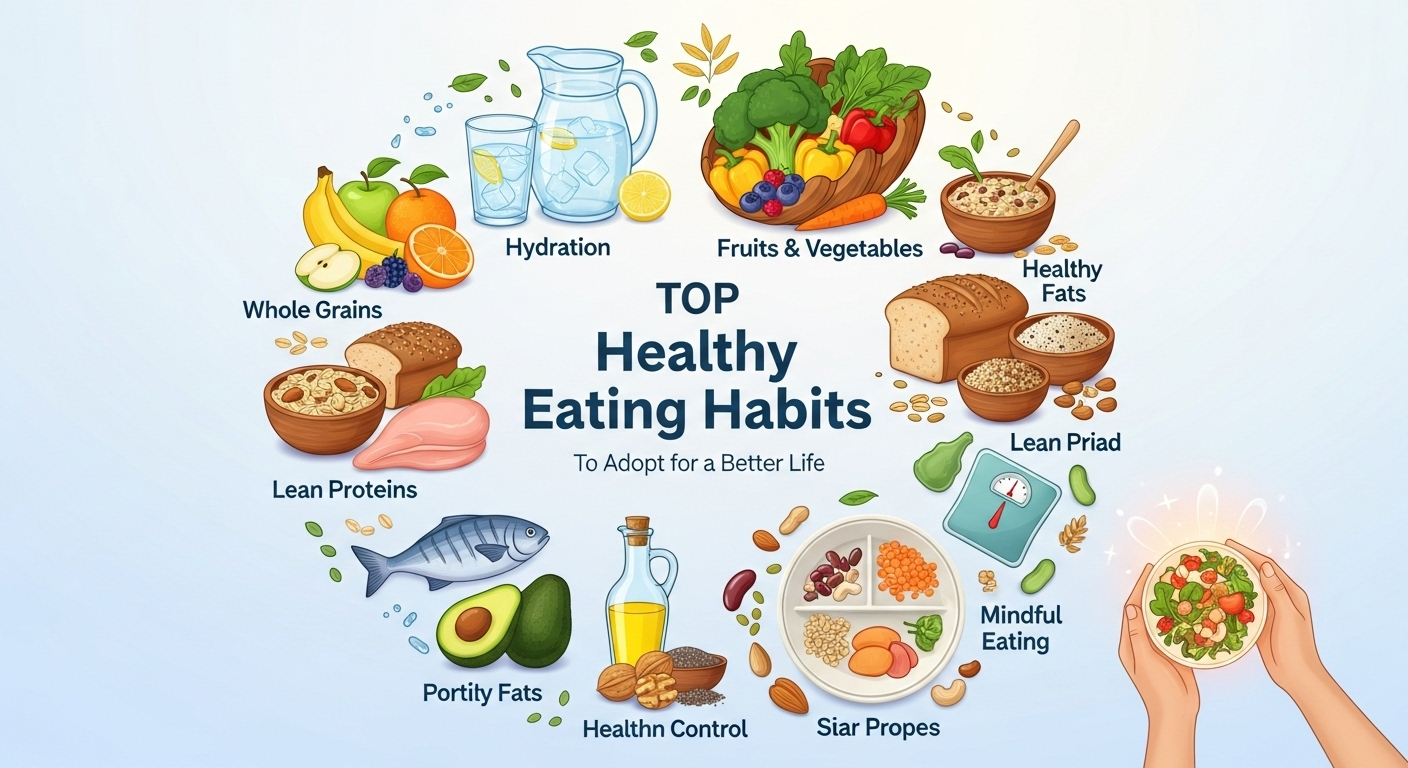
Navigating the world of nutrition can feel like a full-time job. With a new "miracle" diet trending every week, it’s easy to feel overwhelmed and confused about the right way to eat. The truth is, lasting health isn’t found in restrictive, short-term diets, but in building a foundation of positive, sustainable behaviors. It's about shifting your mindset from deprivation to nourishment and making conscious choices that serve your body and mind in the long run. The key to unlocking a healthier, more vibrant you lies in identifying and implementing the best healthy eating habits to adopt for your unique lifestyle. This journey isn't about perfection; it's about progress, one small, intentional step at a time. 1. Embrace Whole Foods Over Processed Items One of the most impactful changes you can make to your diet is shifting your focus from processed products to whole, single-ingredient foods. Whole foods are foods that are as close to their natural state as possible—think fruits, vegetables, lean meats, fish, nuts, seeds, and whole grains. They are packed with essential nutrients like vitamins, minerals, fiber, and antioxidants that your body needs to thrive. Because they haven't been stripped of their natural components, they provide complex energy sources and building blocks for cellular repair and function. Conversely, ultra-processed foods often contain a long list of additives, preservatives, unhealthy fats, refined sugars, and sodium. These items are engineered to be hyper-palatable, making them easy to overeat while providing little nutritional value—often referred to as "empty calories." A diet high in these foods is linked to numerous health issues, including obesity, type 2 diabetes, heart disease, and chronic inflammation. Making a conscious effort to reduce your intake of packaged snacks, sugary drinks, and convenience meals is a foundational step toward better health. The transition doesn't have to be immediate or absolute. Start by making small swaps. Replace a bag of chips with an apple and a handful of almonds. Choose brown rice instead of white rice. A great rule of thumb is to shop the perimeter of the grocery store, where fresh produce, meats, and dairy are typically located, and venture into the center aisles with a specific, pre-planned list. This simple strategy naturally guides you toward a more whole-foods-based diet. #### The Power of Reading Labels Learning to decipher nutrition labels is like gaining a superpower in the grocery store. Don’t just look at the calorie count; turn the package over and scrutinize the ingredients list. Ingredients are listed by weight, so the first few items make up the bulk of the product. If sugar, refined flours, or unpronounceable chemical names are at the top of the list, it’s a red flag. A shorter ingredients list, composed of things you recognize as actual food, is almost always a better choice. Pay close attention to "added sugars," which are different from the naturally occurring sugars found in fruit or dairy. The American Heart Association recommends limiting added sugars to no more than 25 grams (6 teaspoons) per day for women and 36 grams (9 teaspoons) per day for men. You'll be shocked at how quickly things like flavored yogurt, pasta sauce, and so-called "healthy" cereals can push you over that limit. Becoming a savvy label-reader empowers you to see past marketing claims and make truly informed decisions. #### The Joy of Cooking at Home When you cook your own meals, you have complete control over every single ingredient. You decide how much oil, salt, or sugar goes into your food. You can choose higher-quality proteins, load up on vegetables, and use healthier cooking methods like baking, steaming, or grilling instead of deep-frying. This control is invaluable for managing your nutrient intake and avoiding the hidden calories, sodium, and unhealthy fats common in restaurant meals and takeout. Beyond the nutritional benefits, cooking at home can foster a deeper connection with your food. It encourages mindfulness and appreciation for the process of nourishing your body. It can be a creative outlet, a stress-relieving activity, and a wonderful way to connect with family and friends. Start with simple recipes and gradually expand your repertoire. Even preparing just a few more meals at home each week can have a significant positive impact on your overall health and well-being. 2. Master the Art of Mindful Eating In our fast-paced world, meals are often rushed, eaten while distracted by screens, or consumed on the go. Mindful eating is the practice of reversing this trend. It involves paying full, deliberate attention to the experience of eating and drinking, both inside and outside the body. It’s not a diet, but an awareness-based approach that focuses on how and why you eat, not just what you eat. This practice encourages you to listen to your body's natural hunger and fullness cues. The benefits of eating mindfully are extensive. It can improve digestion, as the brain has time to signal the release of digestive enzymes. It helps you recognize true physical hunger versus emotional triggers like boredom, stress, or sadness, which often lead to overeating. By slowing down and savoring each bite, you also tend to feel more satisfied with smaller amounts of food. This increased satisfaction and enjoyment can transform your relationship with food from one of conflict to one of pleasure and nourishment. To begin practicing mindful eating, commit to eating at least one meal a day without distractions. Turn off the TV, put away your phone, and sit at a table. Engage all your senses: notice the colors, smells, sounds, textures, and flavors of your food. Chew slowly and thoroughly, putting your fork down between bites. This simple act of being present can fundamentally change how you experience your meals and manage your intake. #### Understanding Your Hunger and Fullness Cues A key component of mindful eating is learning to differentiate between physical and emotional hunger. Physical hunger builds gradually, is felt in the stomach (growling, emptiness), and is satisfied by any type of food. Emotional hunger, on the other hand, often comes on suddenly,