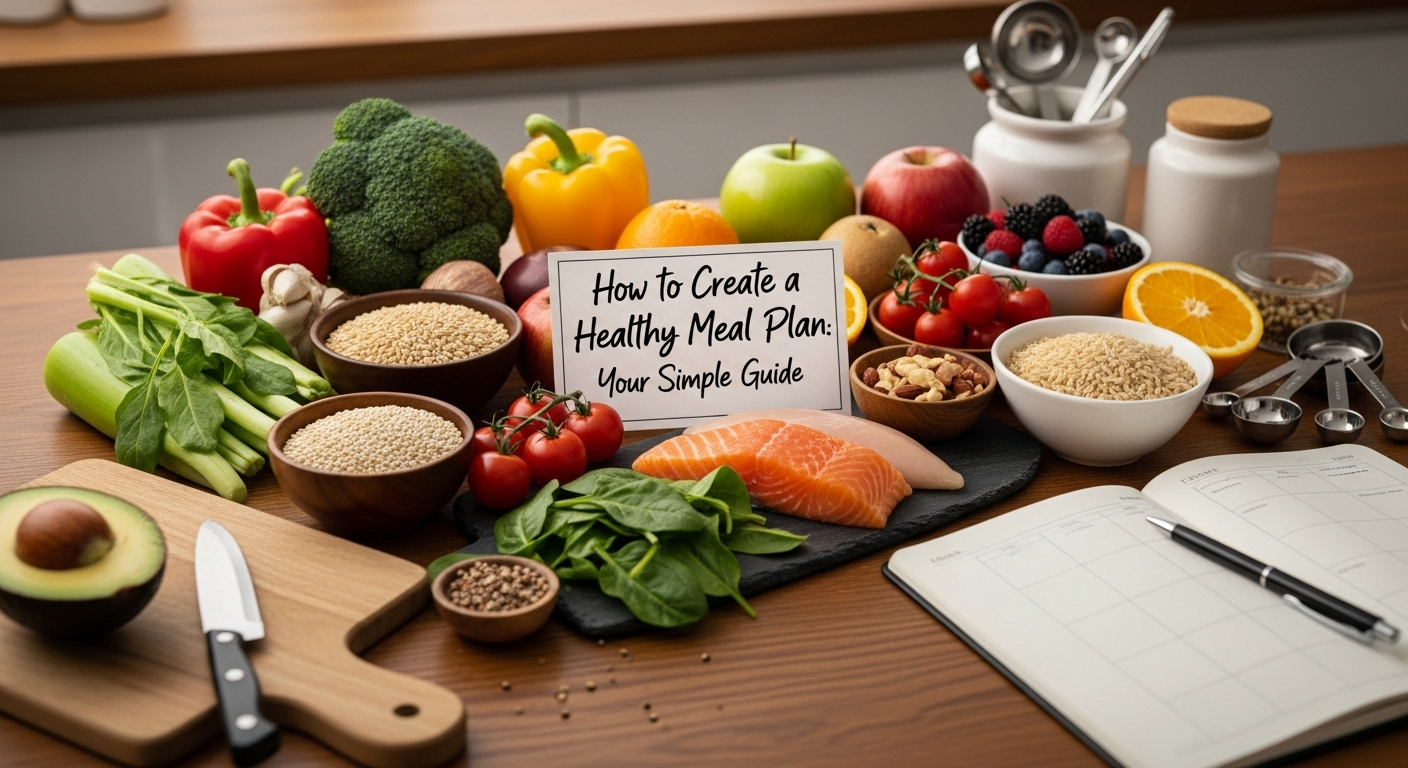
Feeling overwhelmed by the daily question of "what's for dinner?" is a common struggle. In our fast-paced lives, it's easy to fall into the habit of ordering takeout or relying on processed convenience foods, which can negatively impact our health, budget, and stress levels. The solution is simpler than you might think: meal planning. It's a transformative habit that puts you back in control of your nutrition and your schedule. Far from being a rigid or complicated chore, learning how to create a healthy meal plan is a skill that empowers you to nourish your body, save money, and free up valuable mental space. This comprehensive guide will walk you through every step, from defining your goals to mastering meal prep, making healthy eating an achievable and enjoyable part of your lifestyle. The "Why": Unlocking the Powerful Benefits of Meal Planning Before diving into the "how," it's crucial to understand the "why." Embracing meal planning is more than just deciding what to eat in advance; it's a strategic approach to a healthier and more organized life. The benefits extend far beyond the kitchen, influencing your physical well-being, financial health, and even your mental clarity. By investing a small amount of time each week to plan your meals, you are setting yourself up for success and eliminating a significant source of daily decision fatigue. One of the most significant advantages is the profound impact on your health. A well-thought-out meal plan ensures you are consuming a balanced diet rich in essential nutrients. You have complete control over ingredients, allowing you to avoid excessive sodium, unhealthy fats, and added sugars commonly found in restaurant and pre-packaged foods. This control is instrumental for managing weight, boosting energy levels, improving digestion, and supporting long-term health goals, whether that's building muscle, managing a health condition, or simply feeling more vibrant. When your fridge is stocked with nutritious ingredients for planned meals, you are far less likely to succumb to unhealthy, impulsive food choices. Beyond the clear health benefits, meal planning is a financial game-changer. A structured plan leads to a focused grocery list, which means you only buy what you need. This drastically reduces impulse purchases and the all-too-common scenario of discovering forgotten, spoiled produce in the back of your refrigerator. By minimizing food waste and cutting back on expensive last-minute takeout orders, families can save a substantial amount of money each month. Furthermore, the time-saving element is undeniable. Knowing what's for dinner eliminates the nightly scramble, and dedicating a few hours to meal prep on the weekend can save you countless hours during the busy workweek. Laying the Foundation: Setting Your Personal Health Goals A "healthy" meal plan is not a one-size-fits-all template. The most effective plan is one that is tailored specifically to your unique body, lifestyle, and objectives. Before you pick a single recipe, take a moment for introspection. What do you want to achieve with your eating habits? Your answer to this question will be the compass that guides all your future decisions, from the foods you buy to the portion sizes you serve. Without clear goals, a meal plan is just a list of random meals; with them, it becomes a powerful tool for personal transformation. Your goals can be diverse. Are you looking to manage your weight, either by losing a few pounds or maintaining your current physique? Perhaps your focus is on athletic performance and you need to fuel your body for muscle gain and endurance. Others may want to boost their daily energy levels, improve their focus at work, or manage a specific health condition like high blood pressure or diabetes. It's also perfectly valid to have goals centered on simplicity and budget, such as reducing food waste or sticking to a strict grocery budget. Be honest and specific with yourself. Writing down your top 1-3 goals will provide clarity and motivation throughout your meal planning journey. For those with specific health concerns, chronic conditions, or complex nutritional needs, it is highly recommended to consult with a professional. A registered dietitian or certified nutritionist can provide personalized guidance, helping you understand your specific caloric and macronutrient needs in a way that is safe and effective. They can help you craft a plan that aligns with medical advice and ensures you are not just eating "healthy," but eating right for your body's unique requirements. This professional input can be an invaluable foundation for building a sustainable and successful meal plan. Defining Your Caloric and Macronutrient Needs To create a truly effective plan, it's helpful to have a basic understanding of energy and nutrients. Calories are units of energy that your body uses to perform all its functions, from breathing to exercising. The number of calories you need depends on your age, sex, weight, height, and activity level. You can use an online TDEE (Total Daily Energy Expenditure) calculator to get a rough estimate of your daily needs. This number serves as a baseline—to lose weight, you'll need a slight caloric deficit; to gain muscle, a slight surplus. Beyond calories, the composition of your food matters immensely. This is where macronutrients come in. These are the three main nutrient categories your body needs in large amounts: Protein: Essential for building and repairing tissues, muscle growth, and creating enzymes and hormones. Good sources include lean meats, poultry, fish, eggs, dairy, legumes, and tofu. Carbohydrates: Your body's primary source of energy. Focus on complex carbohydrates like whole grains, vegetables, and fruits, which provide sustained energy and fiber. Fats: Crucial for brain health, hormone production, and absorbing fat-soluble vitamins. Opt for healthy fats found in avocados, nuts, seeds, and olive oil. A balanced meal plan will include a healthy ratio of all three macronutrients at every meal to keep you full, energized, and satisfied. The Power of a Balanced Plate An easy way to visualize a balanced meal without meticulously counting every gram is to use the "Healthy Eating Plate" model. Imagine your dinner plate divided into sections. This simple visual