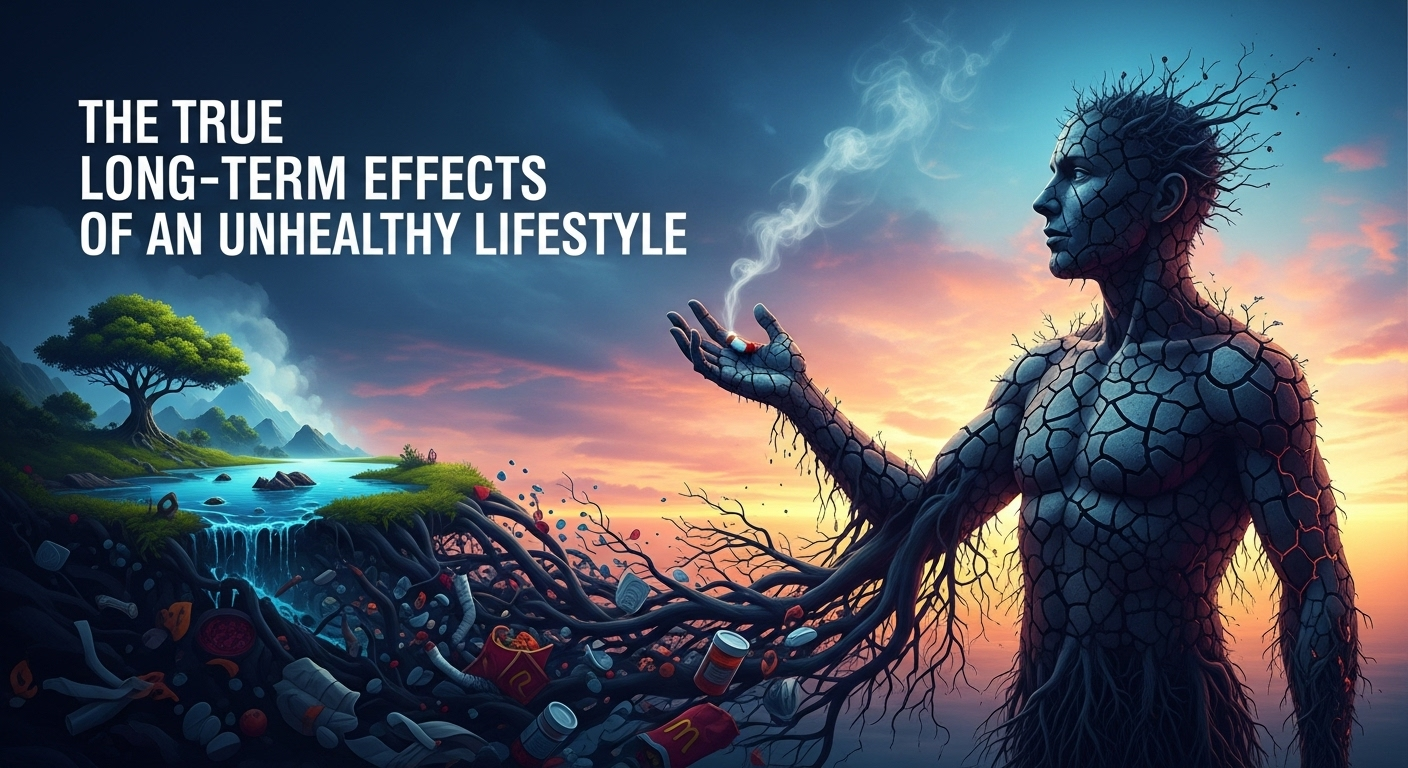
In a world that moves at lightning speed, it’s easy to prioritize convenience over well-being. A late-night takeaway, a skipped gym session, an extra hour of screen time instead of sleep—these often feel like minor, inconsequential choices. We tell ourselves we’ll “make up for it tomorrow.” But what if tomorrow never comes in the way we expect? The truth is, these small, daily decisions are the building blocks of our future health. They compound silently, year after year, until they manifest as serious, often irreversible conditions. This article delves deep into the stark reality of what happens when these habits become a way of life, exploring the true long term effects of an unhealthy lifestyle that extend far beyond a few extra pounds on the scale. The Cardiovascular Toll: Your Heart Under Siege The human heart is a relentless, powerful engine, beating over 100,000 times a day to pump life-giving blood throughout the body. However, like any high-performance machine, it is susceptible to damage from poor fuel and lack of maintenance. An unhealthy lifestyle, characterized by a diet high in processed foods, saturated fats, and sodium, combined with a lack of physical activity, places an immense and sustained strain on the entire cardiovascular system. This isn’t a sudden event; it’s a slow, creeping siege that begins decades before the first symptom ever appears. Initially, the body is remarkably resilient. It can compensate for high blood pressure or rising cholesterol levels for years without sending out obvious distress signals. But beneath the surface, the damage is accumulating. Arteries begin to harden, the heart muscle has to work progressively harder to circulate blood, and chronic inflammation—the body’s response to constant stress from poor nutrition and inactivity—becomes the new normal. This inflammatory state is a key driver in the development of nearly all chronic cardiovascular diseases, acting as a silent accomplice that accelerates the degradation of your body’s most vital pump. Over time, this relentless pressure leads to a cascade of life-altering conditions. The risk of developing chronic diseases skyrockets, transforming what were once distant possibilities into probable outcomes. This section will explore the two most prominent consequences of this cardiovascular assault: the development of hypertension and heart disease, and the insidious onset of Type 2 diabetes, which further compounds the damage to the heart and blood vessels. Hypertension and Heart Disease Often dubbed the "silent killer," hypertension (high blood pressure) is one of the most common and dangerous long-term effects of an unhealthy lifestyle. A diet rich in salt, a lack of physical activity, and chronic stress cause the body to retain water and constrict blood vessels, forcing the heart to pump with excessive force. For years, you may feel perfectly fine, but this elevated pressure is silently damaging the delicate lining of your arteries, making them less elastic and more susceptible to plaque buildup. This process, known as atherosclerosis, is the foundation for most serious heart events. Plaque, a waxy substance made of cholesterol, fat, and other materials, accumulates in the damaged arteries, narrowing the passageway for blood. When this happens in the coronary arteries that supply the heart muscle, it leads to coronary artery disease. If a piece of this plaque ruptures, a blood clot can form, completely blocking the artery and causing a heart attack. If a similar blockage occurs in an artery leading to the brain, it results in a stroke. These are not random events; they are the predictable culmination of decades of lifestyle choices. The Link to Type 2 Diabetes While often considered a separate condition, Type 2 diabetes is intricately linked to the same lifestyle factors that harm the heart. A diet high in refined sugars and carbohydrates, coupled with a sedentary existence, forces the pancreas to work overtime producing insulin, the hormone that helps cells absorb glucose from the blood for energy. Over time, cells become less responsive to insulin’s signal, a condition known as insulin resistance. The pancreas tries to compensate by producing even more insulin, but eventually, it cannot keep up. When this happens, blood sugar levels remain chronically elevated, leading to a diagnosis of Type 2 diabetes. This condition is a risk factor multiplier. High blood glucose is toxic to blood vessels and nerves, dramatically accelerating the process of atherosclerosis and increasing the risk of heart attacks and strokes. Furthermore, diabetes brings its own devastating long-term complications, including nerve damage (neuropathy), kidney failure (nephropathy), and vision loss (retinopathy). It is a clear and direct consequence of a lifestyle that overwhelms the body’s metabolic systems. The Metabolic Meltdown: Weight Gain and Its Cascade of Problems Metabolism is the complex chemical process of converting what you eat and drink into energy. A healthy lifestyle keeps this process efficient and balanced. Conversely, an unhealthy lifestyle—defined by poor nutrition, inactivity, and inadequate sleep—disrupts this delicate balance, leading to a “metabolic meltdown.” The body, overwhelmed by excess calories and starved of essential nutrients, begins to favor fat storage over energy expenditure. This isn’t just about aesthetics; it’s a fundamental shift in your body’s internal operating system. This metabolic disruption is hallmarked by chronic, low-grade inflammation. Processed foods, sugars, and unhealthy fats trigger an immune response, and when this becomes a daily occurrence, the body is left in a perpetual state of alert. This inflammation interferes with hormonal signaling, impairs insulin sensitivity, and contributes directly to the accumulation of visceral fat—the dangerous fat that surrounds internal organs. It’s a vicious cycle: an unhealthy lifestyle causes inflammation, which promotes fat storage, and this excess fat produces more inflammatory compounds, further derailing the metabolism. The most visible sign of this meltdown is weight gain, but the problems run much deeper. The body becomes less efficient at managing energy, leading to persistent fatigue, unstable blood sugar levels, and constant cravings for the very foods that caused the problem in the first place. This state of metabolic dysfunction is the precursor to a host of debilitating long-term health issues that affect everything from your joints to your hormonal health. Obesity